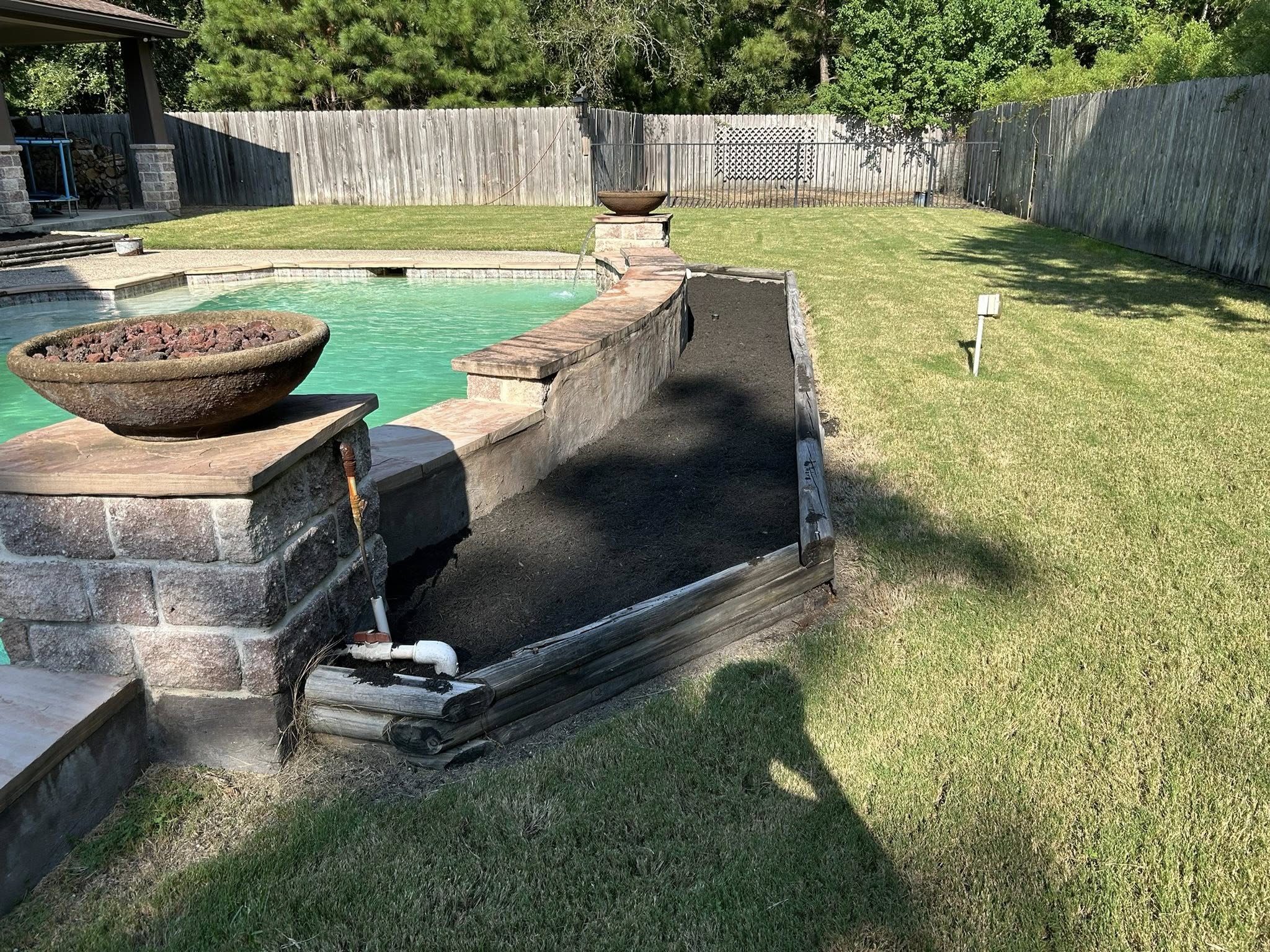
Resilient Landscapes: Designing for Climate Adaptability and Aesthetic Excellence May 02, 2026
To begin, understanding the local climate is crucial when designing a resilient landscape. Climate zones affect everything from plant selection to soil properties, and recognizing these factors can significantly influence the success of your landscape design. Start by assessing your area’s precipitation patterns, temperature ranges, and potential weather extremes. This knowledge serves as the foundation for choosing the right materials and plants that not only survive but thrive in your environment.
Once you have an understanding of the climate, it’s time to consider plant selection—one of the most critical elements of landscape resilience. Opting for native or drought-resistant plants is an effective strategy. These plants are naturally adapted to local conditions, requiring less water and maintenance. This not only conserves resources but also enhances the sustainability of your landscape design. Additionally, integrating a mix of plant types, such as perennials, shrubs, and trees, can create a diverse ecosystem that supports healthier soil and reduces vulnerability to pests and diseases.
Hardscaping is another pivotal component in designing resilient landscapes. Constructing durable pathways, patios, and retaining walls using materials like stone and permeable pavers provides foundational strength and contributes to effective water management. Permeable materials allow rainwater to seep into the ground, reducing runoff and promoting groundwater recharge. This is especially important in areas prone to heavy rainfall or flooding.
Water management solutions are indispensable in climate-adaptive landscaping. Incorporating rain gardens is a popular way to manage water naturally. By creating shallow, planted basins, you can capture excess rainwater, allowing it to slowly infiltrate the ground, reducing the burden on stormwater systems. Additionally, installing efficient irrigation systems ensures that plants receive the necessary moisture without unnecessary waste, promoting both conservation and landscape health.
Aesthetics should never be sacrificed for functionality. A successful resilient landscape harmonizes beauty and practicality. Consider the use of color, texture, and seasonal blooms to create visual interest throughout the year. Thoughtful placement of decorative elements such as sculptures, bird baths, or stone benches can add personality and charm while complementing the natural environment.
In conclusion, designing a landscape that balances climate adaptability with aesthetic appeal requires careful planning and execution. By leveraging the expertise of Total Terrain Services, you can achieve a landscape that not only withstands the test of time but remains visually captivating. Our team is dedicated to implementing sustainable practices that meet the unique needs and preferences of each client. With the right approach, your outdoor space can be a thriving, beautiful testament to the power of resilient landscaping. Whether you’re starting from scratch or looking to enhance an existing design, consider how a climate-adapted, aesthetically excellent landscape can transform your outdoor living experience.
/filters:no_upscale()/filters:format(webp)/media/2f7eded9-0462-4590-91e6-498583b753c6.jpeg)