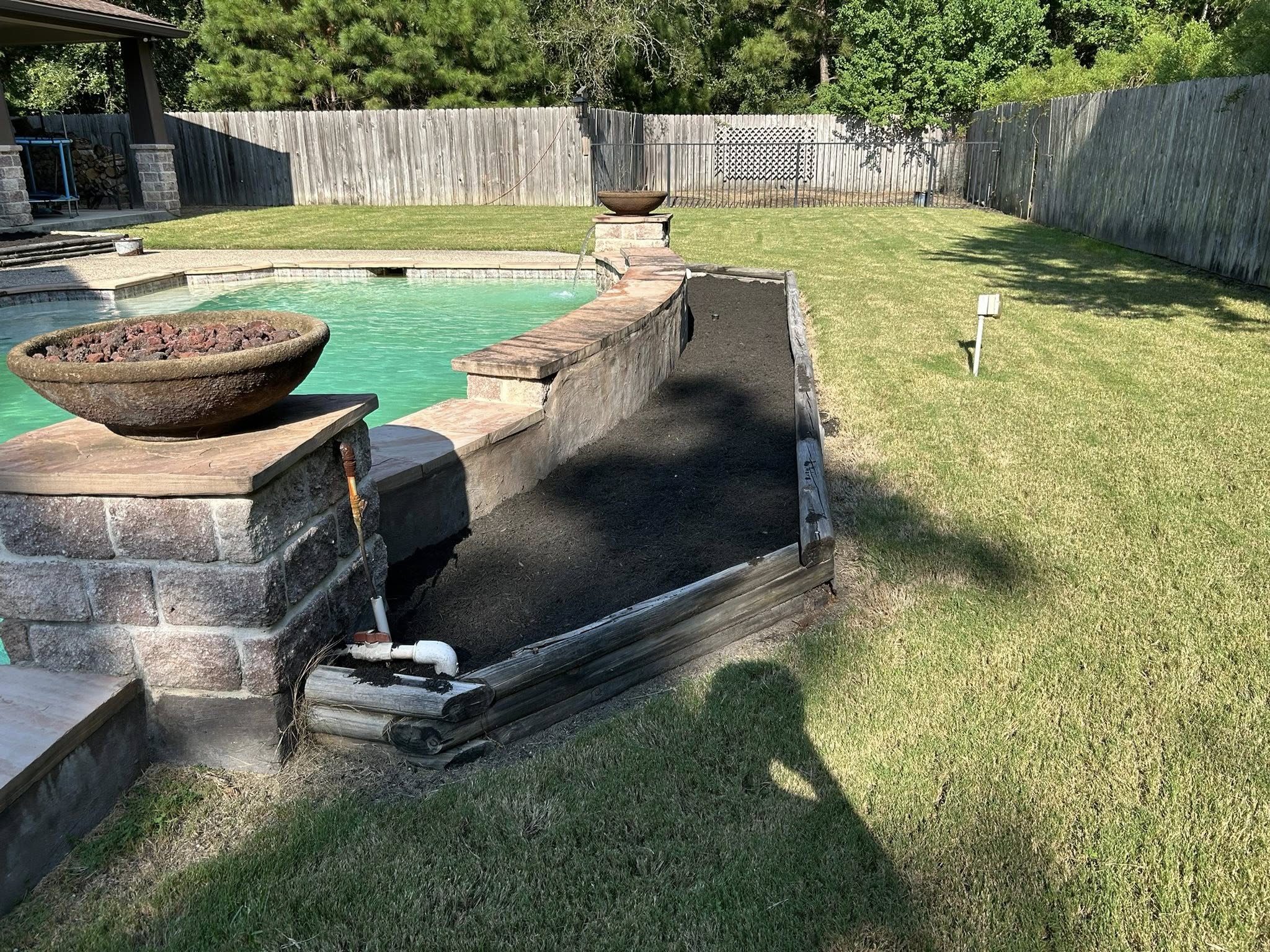
The Science Behind Drainage: Ensuring Longevity in Landscape and Hardscape Designs Jun 13, 2026
Drainage plays a pivotal role in landscaping and hardscaping by managing water effectively and preventing potential damage. Without proper drainage, issues such as soil erosion, water pooling, and damage to hardscape features like patios and driveways can occur. These problems not only degrade the visual appeal but can lead to significant structural damage, escalating into more severe issues over time.
The primary objective of a well-designed drainage system is to direct water away from structures and landscapes. This is achieved through a combination of surface and subsurface drainage solutions. Surface drainage involves managing the flow of water across the landscape using slopes or channels. By carefully planning the slope, water is effectively guided toward appropriate drainage areas, ensuring that it does not collect or stagnate in undesirable zones.
Subsurface drainage, on the other hand, is designed to capture water infiltrating deeper into the ground. This is typically achieved through French drains or perforated pipes that intercept and redirect groundwater. These systems are particularly beneficial in areas prone to saturation or where the soil has a high clay content, preventing the natural percolation of water.
A crucial aspect of drainage science is understanding the composition of your soil, as its properties greatly influence water movement. For example, sandy soils allow water to drain quickly, while clay soils retain water longer. By analyzing these characteristics, landscaping professionals can customize drainage solutions that align with the unique needs of your property.
In hardscape design, the selection of materials is equally influential in promoting effective drainage. Permeable paving options, such as interlocking pavers or pervious concrete, allow water to seep through surfaces, reducing runoff and enhancing groundwater recharge. Implementing such materials helps to maintain the durability of your hardscape while contributing to overall sustainability efforts.
At Total Terrain Services, we emphasize the importance of routine maintenance in preserving the functionality of drainage solutions. Regular inspections can identify potential blockages, and prompt remediation can prevent minor issues from becoming major concerns. Cleaning gutters and drains, checking for erosion, and ensuring that plants do not obstruct drainage paths are some simple yet effective practices.
The integration of proper drainage systems enhances both the beauty and value of your landscape and hardscape designs. For homeowners and business owners alike, investing in a well-thought-out drainage plan equates to safeguarding your property against water-induced damages. The blend of surface and subsurface techniques, tailored to the specific soil and climate conditions, offers a comprehensive approach to water management.
Ultimately, the science of drainage is a fundamental aspect of landscaping and hardscaping that, when executed correctly, yields significant benefits. By prioritizing effective drainage solutions, you not only extend the life of your landscape features but also contribute to a more sustainable and resilient environment. Trust Total Terrain Services for all your landscaping needs, and let us help you cultivate a landscape that thrives in harmony with the natural elements.
/filters:no_upscale()/filters:format(webp)/media/2f7eded9-0462-4590-91e6-498583b753c6.jpeg)